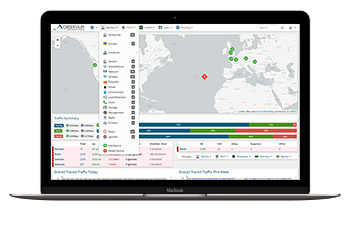
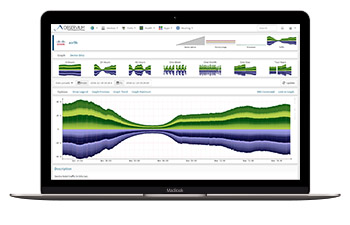
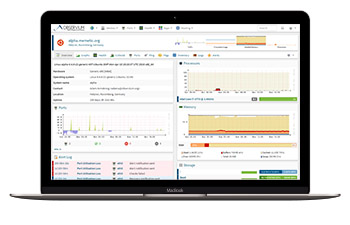
Experience the world's first blockchain-based storage of network management data, BitcoinRRD.
Designed from the ground up to replace the existing round-robin database format, the new storage format will leverage blockchain technology to provide unparallelled scalability, reliability and provide a means of exploiting underutilised hardware.
BitRRD raises the trust and verifiability value of your network monitoring data to new heights.
BitRRD leverages the immense computing power of your Battle Royale-addicted workforce.
The synergy of blockchain and graphs guarantee BitRRD will be exponentially profitable.
A blockchain is a decentralized, distributed and public digital ledger that is used to record transactions across many computers so that the record cannot be altered retroactively without the alteration of all subsequent blocks and the collusion of the network.
This allows the participants to verify and audit transactions inexpensively. A blockchain database is managed autonomously using a peer-to-peer network and a distributed timestamping server.
Blockchains are commonly used to provide high levels of security, reliability and trust for important data and are ideal for storing critical monitoring data to be used in the unfortunate event that an engineer needs to be blamed for an outage.
BitRRD metrics are cryptographically verified and are immune to tampering and accidental erasure.
Knowing that network performance metrics and other data can't be modified or removed, engineers will work up to 67% harder to prevent outages for fear of blame being correctly attributed to them. This creates a friendlier, healthier work environment where engineers know they won't be blamed for what they didn't do.
BitRRD works by leveraging the collective computing power of "mining" to cryptographically store and verify your data on the blockchain. Once stored on the blockchain, data can be easily used to generate graphs or provide evidence to avoid SLA penalties.
Mining is performed using cheap and easy to acquire computer graphics cards, such as the Vega 64 and Geforce 1080 TI. Many organisations will already have a ready supply of these graphics cards in the gaming PCs of their engineers. Simple contractual changes can be made to employment contracts to make these available for BitRRD mining. Additional peak capacity can be arranged by making engineers work shifts, leaving their GPUs available at peak gaming times.
An average network of 50 devices and 1000 ports would require the computing power of approximately 5 Vega 64 GPUs to perform blockchain calculations.